
Blogger’s Guide to Expenses: Essential Tips for Saving Tax

Introduction
Expense tracking is an essential part of financial management for bloggers. You can save money on taxes, improve profitability, and make informed financial decisions by tracking your expenses. This involves consistently recording your expenses, categorising them appropriately, keeping receipts for verification, and regularly reviewing your spending patterns to identify areas for improvement.
Understanding allowable expenses is paramount for effective financial management and tax compliance in the dynamic realm of blogging and content creation. As a self-employed blogger or content creator, navigating the complexities of tax regulations can be challenging. However, by equipping yourself with the knowledge of allowable expenses, you can maximise tax savings, enhance your financial well-being, and make informed decisions to propel your creative endeavours to new heights of success.
Identifying Allowable Expenses
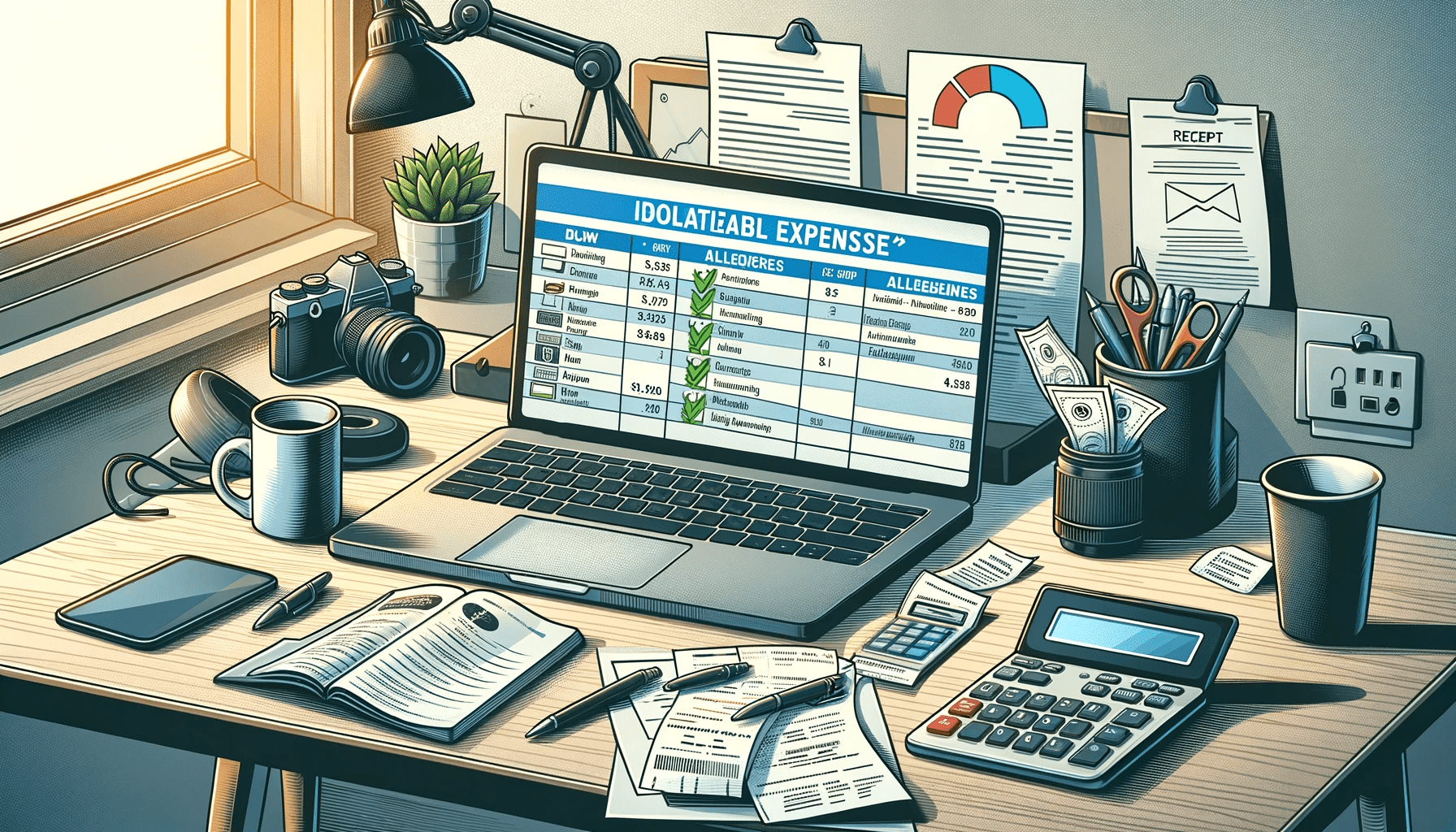
Essential Expenses for Bloggers: A Comprehensive Checklist
As a self-employed blogger, you can claim various expenses as deductions against your taxable income. These allowable expenses encompass costs directly related to your blogging activities and contribute to generating your income. To ensure you are maximising your tax savings, it is crucial to maintain a comprehensive checklist of potential expenses. Regularly review this list to identify expenses that may have slipped your mind. Here’s a starting point:
- Website hosting fees: The cost of maintaining your website’s online presence, including domain registration and hosting fees.
- Website design and development costs are deductible if you have incurred expenses for creating or modifying your website.
- Content creation tools: Expenses related to tools that directly contribute to content creation, such as writing software, photo editing software, graphic design software, and stock photo subscriptions.
- Social media management tools: Costs associated with tools that help you manage your social media presence, such as scheduling tools and analytics platforms.
- Travel expenses: Expenses incurred for travel directly related to content creation, such as flights, accommodation, meals, and transportation. Be sure to keep receipts and invoices for these expenses.
- Marketing expenses: Costs associated with promoting your blog, such as social media ads, Google ads, and email marketing platforms.
- Professional fees: Fees paid to accountants, lawyers, and tax advisors for services related to your blogging business.
Unveiling Hidden Allowable Expenses: Tips for Finding Savings
As a blogger, you constantly seek ways to enhance your content, expand your audience, and boost your revenue. However, financial management can often take a backseat amidst this creative pursuit. However, optimising your expense management can significantly impact your bottom line. While claiming ordinary allowable expenses like website hosting and content creation tools is crucial, a treasure trove of hidden deductible costs is waiting to be unearthed.
Start by scrutinising your everyday expenses. Do you regularly purchase coffee or meals while working at a café to fuel your creativity? These expenses can be considered allowable if they are essential for your blogging activities. Similarly, if you use a portion of your home as a dedicated office space, you can claim a portion of your utility bills and home insurance.
Don’t overlook travel expenses related to content creation. These expenses are deductible if you attend conferences, workshops, or location shoots to gather material or network with industry professionals. Additionally, if you use your vehicle for business purposes, keep a detailed mileage log to claim fuel and maintenance costs.
Remember, the key to maximising your tax savings lies in meticulous record-keeping. Maintain receipts, invoices, and any documentation that supports your allowable expenses. By diligently tracking and claiming these often-overlooked expenses, you can transform your expense management into an opportunity to enhance your financial well-being and elevate your blogging journey.
Maintaining Accurate Records: The Foundation of Tax Compliance
Accurate record-keeping is the foundation of effective expense management and tax compliance as a self-employed blogger. Without proper documentation, you may miss out on valuable expenses, potentially leading to increased tax liability and missed opportunities for financial optimisation. Establishing a system for tracking your income and expenses throughout the year is crucial for maintaining a clear financial picture.
Whether you prefer spreadsheets, accounting software, or dedicated notebooks, the key is to maintain a consistent and organised approach to record-keeping. Regularly record your expenses, including the date, expense amount, category, and any relevant supporting documentation, such as receipts or invoices. This meticulous approach will ensure you have a comprehensive record of your allowable expenses come tax return time.
Remember, accurate records serve as the bedrock for informed financial decisions. By tracking your expenses, you can gain valuable insights into your financial performance, identify areas for optimisation, and make strategic decisions that align with your blogging goals. Embrace the power of accurate record-keeping and transform your expense management into a tool for financial success.
Establishing a System for Tracking Income and Expenses: The Cornerstone of Financial Management
As a self-employed blogger, effective expense management and tax compliance are essential for financial stability and growth. The cornerstone of this process lies in establishing a robust system for tracking your income and expenses. By meticulously recording your financial transactions throughout the year, you gain valuable insights into your financial performance, identify areas for optimisation, and ensure accurate tax reporting.
Whether you prefer the simplicity of spreadsheets, the automation of accounting software, or the convenience of dedicated notebooks, the key is to choose a system that aligns with your preferences and work style. Maintaining consistency and organisation in your record-keeping practices is the most crucial aspect. Regularly record your income and expenses, including the date, amount, category, and any relevant supporting documentation, such as receipts or invoices.
A well-structured system for tracking income and expenses will simplify your tax preparation process and empower you to make informed financial decisions. By clearly understanding your cash flow and identifying areas for potential savings, you can optimise your resource allocation, make strategic investments, and ultimately achieve your financial goals as a successful blogger.
Leveraging Accounting Software for Streamlined Record-keeping: A Path to Financial Efficiency
In the dynamic blogging world, where creativity and innovation reign supreme, financial management can often become an afterthought. However, effective expense management is crucial for maximising your financial gains and ensuring long-term success. Accounting software emerges as a powerful tool to streamline your record-keeping processes, transforming expense management from a daunting task into a seamless and efficient endeavour.
Accounting software offers a comprehensive solution for tracking income and expenses, categorising transactions, generating detailed reports, and managing tax obligations. These user-friendly programs provide a centralised platform for storing and organising your financial data, eliminating the need for manual spreadsheets or paper-based records.
By leveraging accounting software, you can bid farewell to time-consuming record-keeping practices and embrace a streamlined approach to expense management. With automated data entry, real-time financial insights, and mobile accessibility, accounting software empowers you to make informed decisions, maximise expenses, and stay on top of your financial responsibilities.
As a blogger, consider investing in user-friendly accounting software tailored to your needs. Embrace the power of technology and transform your expense management into a catalyst for financial efficiency and success.
Sure, here is a paragraph on Preserving Receipts and Documentation for Tax Purposes, using UK spelling, as an accountant writing a blog for bloggers and content creators, for the section: Identifying Allowable Expenses:
Preserving Receipts and Documentation for Tax Purposes: A Pillar of Financial Preparedness
In self-employment, accurate record-keeping is not just a sound financial practice; it’s a legal necessity. As a blogger, preserving receipts and documentation for tax purposes is paramount to ensuring compliance with tax regulations and maximising allowable expenses. These seemingly mundane documents are the foundation for claiming expenses, validating income, and substantiating your financial records.
Receipts, invoices, and other supporting documentation provide tangible evidence of your business transactions, including expenses incurred and income generated. Whether it’s a purchase order for website hosting, a receipt for travel expenses, or an invoice for professional services, every piece of documentation strengthens your financial position. It protects you from potential HMRC enquiries or discrepancies.
Establish a systematic approach to preserving receipts and documentation. Designate a dedicated storage system, whether a physical filing cabinet or a digital cloud storage platform, to organise and easily access your records. Regularly review and update your records, ensuring they are complete, accurate, and readily available for accounts and tax returns.
Remember, meticulous record-keeping is not just about complying with tax regulations; it’s about safeguarding your financial well-being. By preserving receipts and documentation, you empower yourself to make informed financial decisions, maximise allowable expenses, and confidently navigate the complexities of self-employment. Embrace the power of organised record-keeping and pave the way for a financially secure and successful blogging career.
Maximising Allowable Expenses
Understanding Tax Relief Limits and Eligibility: Navigating the Nuances of Tax Savings
Navigating the complexities of UK tax regulations can be daunting, especially for bloggers and content creators juggling multiple income streams and expenses. However, understanding the intricacies of tax relief limits and eligibility is crucial for maximising your tax savings and minimising your tax liability.
Each allowable expense has its own set of allowable limits and eligibility criteria. For instance, website hosting costs may be fully allowable, while travel expenses may have restrictions based on the purpose and distance of the travel. Similarly, specific professional fees, such as accounting and legal, may be partially allowable: accountant fees for preparing accounts are fully allowable but not for tax returns.
To ensure you are claiming all eligible expenses and adhering to the applicable criteria, consulting with a qualified accountant specialising in self-employment tax for bloggers and content creators is essential. They can provide tailored guidance based on your circumstances and help you correctly identify and claim all allowable expenses.
By understanding the nuances of UK tax allowances and eligibility, you can transform expense management into an opportunity to optimise your tax savings and enhance your financial well-being as a successful blogger.
Avoiding Common Mistakes
Common Mistakes Bloggers Make When Claiming Expenses: Avoiding Pitfalls for Tax Savings
In the pursuit of creating engaging content and building a loyal audience, bloggers often overlook the intricacies of expense management. However, effective expense management is crucial for maximising tax savings and ensuring financial stability. To avoid common pitfalls and optimise your tax savings, be mindful of these common mistakes that bloggers often make when claiming expenses:
- Failing to Keep Receipts and Documentation: Maintaining meticulous records is essential for substantiating your allowable expenses. Neglecting to preserve receipts, invoices, and other supporting documentation can lead to missed tax relief and potential penalties.
- Failing to Categorise Expenses Accurately: Organising your expenses into clear categories, such as website hosting, content creation, marketing, and travel, allows for a comprehensive understanding of your financial performance and simplifies accounts and tax return preparation.
- Claiming Personal Expenses as Business Expenses: A popular error is blending personal expenses with business-related costs. Ensure you only claim expenses directly related to your blogging activities.
- Claiming disallowable Expenses: only some expenses are allowable for tax. Other expenses must be disallowed, and that increases the tax liability.
- Not Seeking Professional Guidance for Complex Tax Situations: Navigating the complexities of tax regulations can be challenging. Consult with a qualified accountant specialising in self-employment taxes for content creators to ensure you maximise tax relief and comply with tax laws effectively.
By avoiding these common mistakes and embracing informed expense management practices, you can transform your blogging endeavours into a financially rewarding and sustainable enterprise.
Tools and Resources for Expense Management
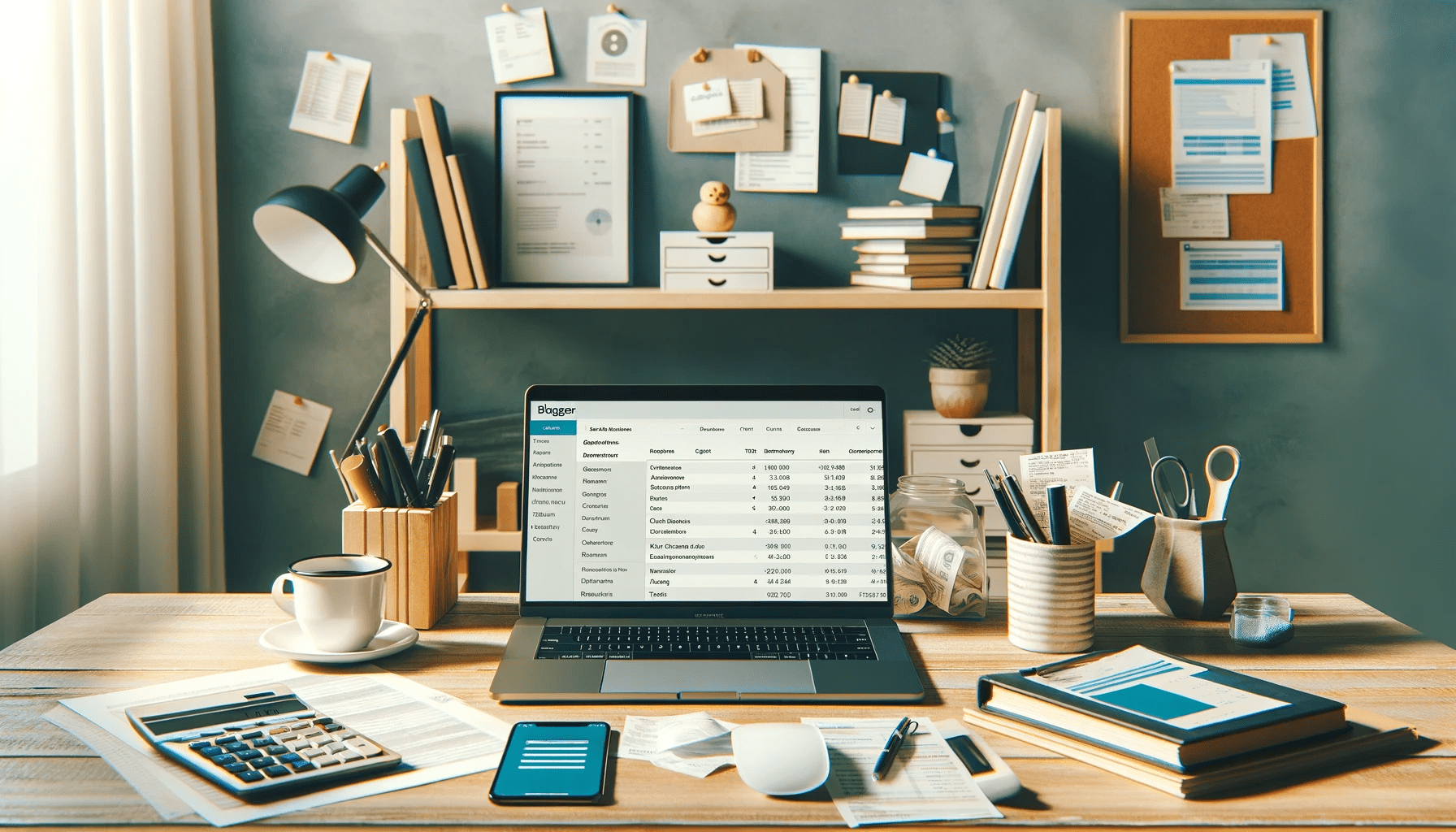
Recommended Accounting Software for Bloggers: Simplifying Expense Management and Maximising Savings
In the dynamic blogging world, where creativity and innovation take centre stage, financial management can often become an afterthought. However, effective expense management is crucial for maximising financial gains, ensuring long-term success, and navigating the complexities of tax regulations. Accounting software emerges as a powerful tool to streamline record-keeping processes, empowering bloggers to make informed financial decisions, optimise expenses, and stay on top of their tax obligations.
With many accounting software options available, selecting the right one for your blogging business can be daunting. To assist you in making an informed decision, here’s a curated list of recommended accounting software specifically tailored to the needs of bloggers and content creators:
FreeAgent: FreeAgent is a cloud-based accounting software with a user-friendly interface, intuitive features, and comprehensive functionality. It seamlessly integrates with various business tools, including invoicing platforms and bank accounts, simplifying your financial management process. FreeAgent’s automated data entry, real-time financial insights, and mobile accessibility make it an ideal choice for busy bloggers who value convenience and efficiency.
Xero: Xero is another cloud-based accounting software that has gained popularity among bloggers for its robust features and adaptability. It offers various functionalities, including income and expense tracking, invoicing, inventory management, and project tracking. Xero’s user-friendly interface and customisable dashboards empower bloggers to understand their financial performance and make informed decisions.
QuickBooks: QuickBooks is a popular accounting software known for its user-friendly interface, comprehensive features, and scalability. It offers various functionalities, including income and expense tracking, invoicing, inventory, project, and payroll management. QuickBooks is available in various versions tailored to business needs, from small to large enterprises.
For bloggers, QuickBooks provides a robust solution for managing their finances effectively. It seamlessly integrates with various business tools, including e-commerce platforms and payment processors, simplifying financial management. QuickBooks’ automated data entry, real-time financial insights, and mobile accessibility make it a valuable tool for busy bloggers who value efficiency.
Sage: Sage is another well-established accounting software that offers a comprehensive suite of features for businesses of all sizes. It is known for its powerful accounting capabilities, flexibility, and scalability. Sage provides various products, including Sage Accounting, Sage Business Cloud Accounting, and Sage Intacct, each tailored to specific business needs.
For bloggers, Sage offers advanced accounting functionalities beyond basic expense tracking and invoicing. It provides in-depth financial reporting, customisable dashboards, and multi-user access, making it suitable for bloggers who manage complex financial operations. Sage’s integration with various business tools, including CRM and project management platforms, further streamlines financial processes.
FreshBooks: FreshBooks is a cloud-based accounting software for small businesses and freelancers. It is known for its simplicity, ease of use, and affordability. FreshBooks offers comprehensive features, including income and expense tracking, invoicing, time tracking, and client management. Its intuitive interface and mobile accessibility make it an ideal choice for bloggers new to accounting software.
Wave: Wave is a cloud-based accounting software that stands out for its freemium pricing model. At no cost, it offers a basic set of features, including income and expense tracking, invoicing, and receipt management. Users can upgrade to a paid plan for more advanced features, such as bank account integration, payroll, and tax filing. Wave’s simplicity and affordability make it a suitable option for bloggers on a tight budget.
Zoho Books: Zoho Books is a cloud-based accounting software that offers a comprehensive suite of features, including income and expense tracking, invoicing, project tracking, inventory management, and customer relationship management (CRM). Its user-friendly interface and customisable dashboards make it a powerful tool for managing complex business processes. Zoho Books’ mobile accessibility allows bloggers to stay on top of their finances from anywhere.
When selecting accounting software, consider factors such as ease of use, features, pricing, integration capabilities, and customer support. Evaluate your specific needs and preferences to identify the best software for your blogging business.
In conclusion, accounting software is pivotal in streamlining expense management, optimising tax relief, and enhancing the financial well-being of bloggers and content creators. By leveraging the power of accounting software, bloggers can confidently transform their financial management practices, make informed decisions, and navigate the complexities of tax regulations.
Online Resources for Tax Guidance and Support: Navigating the Tax Landscape as a Blogger
As a blogger, managing your finances and navigating the complexities of tax regulations can be daunting. However, with the right resources and guidance, you can stay on top of your tax obligations, maximise expenses, and ensure financial compliance. Here’s a curated list of online resources that provide valuable tax guidance and support for bloggers:
GOV.UK – Self Assessment for self-employed people
This official government website provides comprehensive information on self-assessment tax returns for self-employed individuals, including bloggers. It covers registration, filing deadlines, calculating tax liability, and payment options. (https://www.gov.uk/register-for-self-assessment)
HMRC – A Valuable Resource for Bloggers
His Majesty’s Revenue and Customs (HMRC) is the government department responsible for collecting taxes, administering social security, and ensuring compliance with tax regulations. As a self-employed blogger, you are responsible for registering with HMRC, paying taxes, and keeping accurate records of your income and expenses. HMRC provides a wealth of information and resources to help bloggers navigate the tax system and comply with their obligations.
Here are some of the ways HMRC can help bloggers:
- Provide information on self-assessment tax returns, including registration, filing deadlines, calculating tax liability, and payment options
- Offer guidance on allowable expenses for bloggers, such as website hosting, content creation tools, and travel costs
- Assist with tax planning and budgeting for self-employed individuals
- Provide information on National Insurance contributions and Value Added Tax (VAT)
- Offer online services, such as a tax calculator and a digital tax account, to make it easier for bloggers to manage their tax affairs.
If you are a blogger, you must be aware of your tax obligations and take advantage of the resources that HMRC provides. By staying informed and compliant with tax regulations, you can avoid penalties and fines and ensure that you are paying your fair share of taxes.
HMRC website: https://www.gov.uk/government/organisations/hm-revenue-customs
These online resources provide a wealth of information and guidance to help bloggers navigate the complexities of tax regulations, maximise expenses, and ensure financial compliance. By utilising these resources and seeking professional advice, bloggers can manage their finances effectively and achieve long-term financial success.
Utilising Professional Tax Services for Effective Management
As a self-employed blogger or content creator, managing your finances and navigating the complexities of tax regulations can be daunting. This is especially true for bloggers and content creators who juggle multiple income streams and expenses. While numerous online resources and DIY tools are available, seeking professional advice from an accountant can offer many benefits for effective financial management.
Enhanced Accuracy and Compliance
Professional accountants possess in-depth knowledge of the ever-changing tax laws and regulations, ensuring your tax returns are filed accurately and on time. They can identify potential expenses and exemptions you may have overlooked, minimising your tax liability and maximising your savings. Additionally, they can assist with complex tax matters, such as tax enquiries and disputes, ensuring that your interests are protected.
Peace of Mind and Focus on Your Business
Entrusting your tax affairs to a professional advisor can alleviate the burden of managing your taxes, freeing up your time and energy to focus on your core business activities. You can rest assured that your taxes are handled by experts, allowing you to concentrate on growing your blog or content creation business.
Strategic Tax Planning and Financial Optimisation
Professional accountants can provide tailored tax planning strategies aligning with your financial goals and business objectives. They can help you structure your business entity, optimise your income and expense management, and develop long-term tax strategies for sustainable financial growth.
Personalised Advice and Guidance
Professional accountants can provide personalised advice and guidance based on your unique circumstances, considering your income sources, expenses, business structure, and personal goals. They can answer your questions, address your concerns, and help you make informed decisions that align with your financial well-being.
Specialised Expertise for Bloggers and Content Creators
Professional accountants with experience in the blogging and content creation industry can provide tailored advice and insights specific to the challenges and opportunities faced by this sector. They can help you navigate unique tax considerations, such as income from various platforms, advertising revenue, and travel expenses related to content creation.
Reduced Risk of HMRC Enquiries and Penalties
Professional accountants can help you avoid common mistakes and ensure your tax returns comply with all applicable regulations. This can significantly reduce your risk of HMRC enquiries, penalties, and potential legal liabilities.
Access to Specialised Tools and Resources
Professional accountants often have access to specialised tools and resources to streamline your accounts and tax return preparation process and provide valuable insights into your financial performance. These tools can help you track income and expenses, organise records, and generate reports for informed decision-making.
Cost-Effective Investment in Financial Well-being
While the initial cost of engaging an accountant may seem like an expense, it can be considered an investment in your financial well-being and long-term success. The potential savings from maximised expenses, reduced tax liability, and avoided penalties can far outweigh the initial investment.
For bloggers and content creators, utilising professional tax services can be a strategic decision that enhances financial management, optimises tax savings, and promotes long-term financial success. By seeking expert guidance, you can confidently navigate the complexities of tax regulations, focus on your creative endeavours, and achieve your financial goals.
Unleash the Power of Financial Expertise with Mercian Accountants

Effective financial management can often become an afterthought in the dynamic blogging world, where creativity reigns supreme. However, navigating the complexities of tax regulations and optimising your finances is crucial for maximising your earnings, ensuring long-term success, and achieving financial stability.
Mercian Accountants, a team of dedicated and experienced accountants, is committed to empowering bloggers and content creators with the financial expertise they need to thrive. We have a comprehensive suite of services that is tailored specifically to the unique needs of bloggers and content creators.
Don’t let financial complexities hinder your blogging aspirations. Contact Mercian Accountants today and discover how our expertise can empower you to achieve financial success and unlock the full potential of your blogging business.
Together, let’s transform your financial management and elevate your blogging success.




12590 Image Size: 1792 x 1024