
August 2026 Newsletter

August arrives with a new Prime Minister in Downing Street, a packed set of deadlines, and the clearest signal yet that the Autumn Budget will bring significant tax changes. For businesses and individuals with assets, disposals, or investment decisions under consideration, the next few months matter more than usual. August also brings a number of immediate compliance obligations – most urgently, the first Making Tax Digital quarterly submission deadline, which falls on 7 August.
As ever, the businesses that act early rather than react are the ones that avoid unnecessary costs and penalties. If anything in this month’s newsletter raises questions for your situation, get in touch with the team at Mercian, and we will be happy to help.
Making Tax Digital – Your First Quarterly Submission Deadline Is Now
If your qualifying income from self-employment or property on your 2024-25 Self Assessment return exceeded £50,000, your first Making Tax Digital for Income Tax quarterly update is due to HMRC by 7 August 2026, covering the period 6 April to 5 July 2026.
This is not a deadline to be taken lightly. While penalty points will not accrue in 2026-27 under the soft-landing approach, you must file all four quarterly updates before you can submit your Final Declaration in January. A missed quarter creates a problem at year-end, not just now.
If your records are complete and your software is connected to HMRC, the submission itself should be quick. If records are incomplete, address it immediately – there is very little time.
A reminder of the upcoming thresholds if you are not yet in scope:
- From April 2027: qualifying income over £30,000
- From April 2028: qualifying income over £20,000
If you are approaching either threshold, now is the time to start preparing your record-keeping systems, not the month the obligation begins.
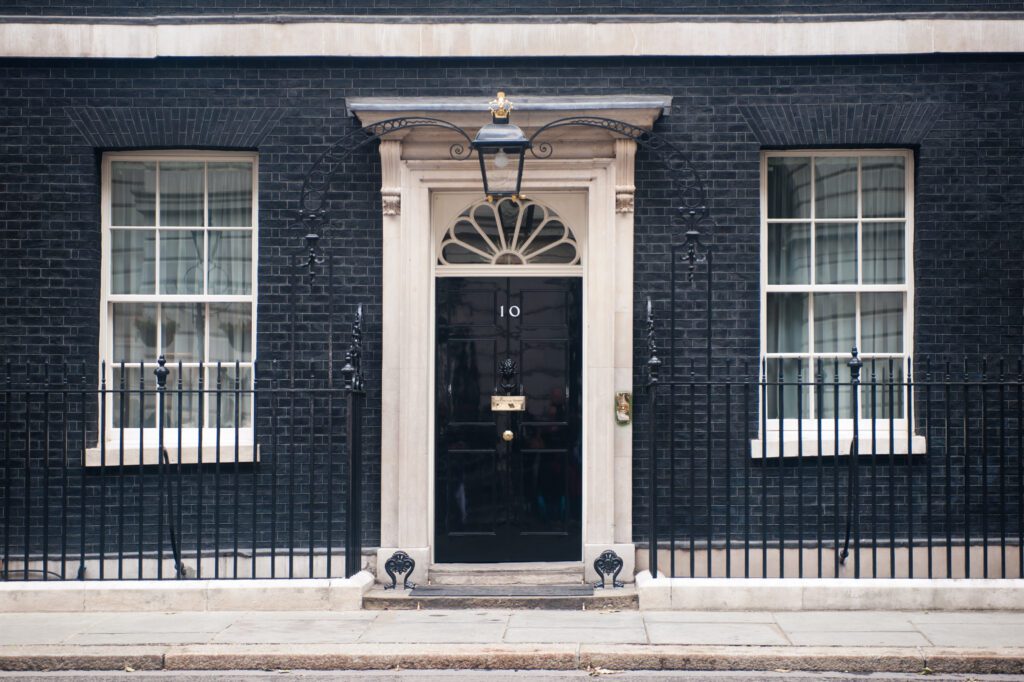
A New Prime Minister – What the Autumn Budget Could Mean For Your Tax Position
Andy Burnham took office as Prime Minister on 20 July 2026, with John Healey confirmed as Chancellor. An Autumn Budget is expected in October or November, and while no formal announcements have been made, the signals are clear enough to inform planning decisions now.
Capital Gains Tax
CGT equalisation with income tax rates is widely expected. That could mean CGT on share disposals and second properties rising to 40% for higher-rate taxpayers or 45% for additional-rate taxpayers – a significant increase from the current 18% and 24% rates. If you are considering selling a business, shares, or investment property, the case for acting before the Budget is compelling. No announcement has been made, but few observers expect the current rates to survive.
One change that is already law and relevant to business owners considering a sale: the rate of CGT applying to disposals qualifying for Business Asset Disposal Relief rose to 18% from 6 April 2026, up from 14%. With a lifetime limit of £1 million, BADR remains valuable but planning the timing and structure of a disposal carefully is more important than ever. If you are considering selling a business or business assets, take advice before heads of terms are agreed.
No announcement has been made, and disposal decisions should not be driven by Budget speculation alone – but the direction of travel is clear enough to make early advice worthwhile.
Personal Allowance
The freeze on the personal allowance at £12,570 – due to end in April 2028 – may be lifted early, with Burnham signalling that rewarding work is a priority. An early thaw would benefit employed and self-employed individuals whose real-terms tax burden has risen significantly through fiscal drag.
Business Rates
Burnham has signalled a 20% reduction in business rates for pubs, clubs, music venues, and independent hospitality, retail and leisure businesses. No details or timeline have been confirmed, but this is one of the more concrete commitments made during the leadership campaign and is worth watching if you operate in these sectors.
Land Value Tax
Burnham is a longstanding supporter of replacing Stamp Duty Land Tax and Council Tax with an annual land value levy. This is a significant structural change that, if implemented, would affect property owners, landlords, and developers. It is not imminent, but clients with property portfolios should be aware it is under active consideration.
The central message for planning is simple: the window between now and the Autumn Budget is likely the last opportunity to act under the current CGT regime. If you have a transaction, disposal, or restructuring under consideration, please get in touch as early as possible. Last-minute decisions ahead of a Budget rarely produce optimal outcomes.
VAT on Domestic Electricity Bills Cut to Zero from 1 October
One confirmed measure from the new government is the removal of VAT on domestic electricity bills from 1 October 2026 to 31 March 2027. The rate will fall from 5% to zero for that six-month period, saving a typical household around £45 over the term.
This applies to domestic electricity only – gas bills are not included, and the cut does not extend to business electricity supplies, which are subject to the standard 20% VAT rate (recoverable by VAT-registered businesses in the usual way).
For landlords: Where electricity costs are recharged to tenants – including in HMOs or qualifying shared use properties – you will need to consider how the zero rate flows through your billing arrangements for the October to March period. Zero rating does not affect your ability to recover input tax in the usual way.
For employees: The savings are modest on an individual basis, but worth noting when discussing cost-of-living matters with staff.
VAT Rate Reverts to 20% on 1 September – Final Warning
The temporary 5% VAT rate on children’s meals, family cinema and theatre tickets, and admissions to attractions such as museums, zoos, and soft play venues ends on 1 September 2026, when the standard 20% rate automatically reinstates.
If your business has been operating at the reduced rate since 25 June, you have very little time left to update your point-of-sale systems, invoicing templates, and VAT records ahead of the changeover. This needs to happen before 1 September, not on the day.
Your next VAT return will almost certainly straddle the rate change. Ensure transactions at each rate are clearly distinguished in your records, and that anyone responsible for pricing or billing is aware of the exact date.
The change of rate rules in VAT Notice 700, section 30, are worth checking before the date. Where payment has been received or a VAT invoice issued before 1 September for a supply that takes place after that date, the 5% rate may still apply. Tickets and vouchers sold in August for September attendance are the most common area where this goes wrong. Alongside the VAT return, make sure tills, price lists and online booking systems are all updated before the date.

Tax Adviser Registration – What the New Rules Mean for You
From 18 August 2026, HMRC is requiring mandatory registration for tax advisers who are paid to interact with HMRC on behalf of clients and who hold a Self Assessment or Corporation Tax account. This is the second phase of a rolling programme of Modernising and Mandating Tax Adviser Registration (MMTAR), which began in May 2026.
The objective is to raise standards in the tax advice market and protect taxpayers from unqualified or unscrupulous advisers. Registration is free, and advisers who fail to register face sanctions – including, in serious cases, being blocked from interacting with HMRC on clients’ behalf.
What this means for you as a client of Mercian:
Mercian Accountants is fully registered and compliant with the new requirements. You do not need to take any action. However, if you use any other tax advisers, bookkeepers or accountants alongside us, it is worth checking that they are also registered. The deadline for this phase is 18 August, and the consequences of using an unregistered adviser after that date could affect the processing of your returns and correspondence with HMRC.
Further phases of the registration requirement continue through to the end of 2026, covering third-party payroll providers (18 November) and financial services organisations (31 December).
Vaping Products Duty – Action Required Before 1 October
From 1 October 2026, a new Vaping Products Duty takes effect at a flat rate of £2.20 per 10ml of vaping liquid, regardless of nicotine content. A Vaping Duty Stamps scheme will also apply, requiring approved stamps to be affixed to retail packaging.
If your business manufactures, imports, or distributes vaping products and you have not yet applied to HMRC, this is urgent. Applications can take more than 45 working days to process. Businesses not approved by 1 October cannot legally continue to trade in vaping products, and civil and criminal penalties apply for non-compliance.
If this affects your business and you have not yet begun the registration process, please contact us immediately.
ISA Reform 2027 – The Clock Is Ticking
We covered the ISA reforms in last month’s newsletter, but with April 2027 now only eight months away, August is the right time to act rather than note and forget.
From 6 April 2027, a flat 22% tax charge will apply to interest earned on uninvested cash held within Stocks and Shares and Innovative Finance ISAs. This applies to all account holders regardless of age. The annual Cash ISA limit also falls from £20,000 to £12,000 – though those aged 65 and over are protected and retain the £20,000 limit. Additionally, transfers from investment ISAs back into Cash ISAs will be banned for all account holders.
The 2026-27 tax year is the last under the current rules. If you or anyone in your household holds significant uninvested cash or Money Market Fund positions inside a Stocks and Shares ISA, the window to restructure is open now – but it will not stay open for long. Please get in touch if you would like to discuss your position.

Mandatory Direct Debit for VAT and PAYE – Have Your Say Before 16 August
HMRC is consulting on proposals to make direct debit the mandatory payment method for VAT and PAYE liabilities. The consultation closes at 11:59 pm on 16 August 2026.
Currently, only around 330,000 of the 2.73 million businesses registered for VAT or PAYE pay by direct debit. HMRC’s aim is to reduce late payment and the build-up of tax debt by requiring the majority of businesses to set up a direct debit going forward.
This is still a consultation – nothing has been confirmed – but the direction of travel is clear. Businesses that currently pay VAT and PAYE by bank transfer, card, or other methods should be aware that this flexibility may not survive. If you have views on the proposals – particularly around cash flow management, where direct debit can cause problems if funds are not in place on the collection date – you can respond to the consultation directly or speak to us about submitting a response.
What Businesses Should Be Doing Now
MTD-Registered Sole Traders and Landlords
- Submit your first quarterly MTD update immediately if you have not already – deadline 7 August
- Begin gathering records for the second quarterly period (6 July – 5 October)
Anyone with a Disposal or Transaction Under Consideration
- Get in touch before the Autumn Budget – CGT equalisation with income tax is widely expected, and the current rates may not survive
- Do not wait for a Budget announcement to take advice; by then, acting will be more difficult
Property Owners and Landlords
- Be aware of the potential land value tax proposals under the new government
- If you provide electricity as part of rental billing, review your arrangements ahead of the 1 October domestic VAT cut
VAT-Registered Businesses in Hospitality and Leisure
- Update systems before 1 September for the VAT rate reversal on children’s meals and attractions
- Ensure your next VAT return clearly separates transactions at each rate
Businesses in the Vaping Sector
- Apply to HMRC for Vaping Products Duty registration immediately if you have not already – 1 October is non-negotiable
All Businesses
- Check that any tax advisers, bookkeepers or accountants you use are registered with HMRC under the new mandatory scheme by 18 August
Did You Know?
Income Tax Was Introduced as a Temporary Measure
William Pitt the Younger introduced income tax in 1799 to help fund the Napoleonic Wars. The rate was 2 shillings in the pound (10%), and it was presented as a strictly temporary wartime measure. It was abolished in 1802, reintroduced in 1803, abolished again in 1816 after Waterloo, and permanently restored in 1842. Over 180 years later, it remains the UK’s largest single source of government revenue.
The Longest Tax Return in History
In 2010, an American tax preparer submitted a return for a client that ran to over 57,000 pages. The US tax code at the time contained an estimated 3.8 million words. By comparison, the entire works of Shakespeare run to around 900,000.
Britain Once Taxed Playing Cards
From 1711 to 1960, playing cards were subject to a stamp duty in Britain. The Ace of Spades – traditionally the highest card in the deck – was required to carry an official government stamp as proof of payment. Forging the Ace of Spades was a capital offence. The distinctive ornate design of the Ace of Spades on British card packs is a legacy of that requirement.

Diary of Main Tax Events – August and September 2026
| Date | What Is Due |
| 7 August | First MTD for Income Tax quarterly update (period: 6 Apr – 5 Jul) |
| 18 August | Tax adviser mandatory registration deadline (phase 2) |
| 19 August | PAYE, NIC and CIS monthly return and payment deadline (non-electronic) |
| 21 August | PAYE, NIC and CIS monthly payment deadline (electronic) |
| 1 September | VAT rate reverts to 20% on children’s meals and qualifying leisure/attraction admissions |
| 18 September | PAYE, NIC and CIS monthly return and payment deadline (non-electronic) |
| 22 September | PAYE, NIC and CIS monthly payment deadline (electronic) |
| 30 September | Corporation Tax return (CT600) due for accounting periods ending 30 September 2025 |
| 1 October | – Vaping Products Duty and Duty Stamps Scheme takes effect – VAT on domestic electricity bills cut to zero (to 31 March 2027) |
ATED Returns: Key Submission Deadlines
If you own UK residential property through a company and it falls within the scope of the Annual Tax on Enveloped Dwellings (ATED), it is important to be aware of the deadlines for submitting your return.
Normally, an ATED return must be submitted:
- By 30 April, if the property is within the scope of ATED on 1 April at the start of the chargeable period
- Within 30 days of acquisition, if the property comes within the scope of ATED after 1 April
For newly built properties, the deadline is extended – the return must be submitted within 90 days of the earliest date on which the property either becomes a dwelling for Council Tax purposes or is first occupied.
ATED returns should only be submitted on or after 1 April for the relevant chargeable period. Submitting too early can cause processing issues, while missing deadlines may result in penalties.
If you are unsure whether your property is within the scope of ATED or which deadline applies, get in touch, and we can help you assess your position.
Looking Ahead
September brings the VAT reversal on 1 September, standard PAYE deadlines, and – most significantly – the final run-in to what is shaping up to be a consequential Autumn Budget. The timing of the Budget has not yet been confirmed, but October or November is the working assumption.
For clients considering disposing of assets, property, shares, or business interests, September is not a month to defer. The combination of a new Prime Minister with a declared preference for taxing wealth over work and a widely anticipated CGT reform creates a planning environment in which acting now is measurably lower risk than waiting.
We will update clients as Budget announcements are made. In the meantime, get in touch with the team at Mercian if you would like to discuss how any of the above affects your position.
This newsletter is for general guidance only and does not constitute professional advice. Please contact us to discuss your specific circumstances.





14348 Image Size: 2560 x 1707